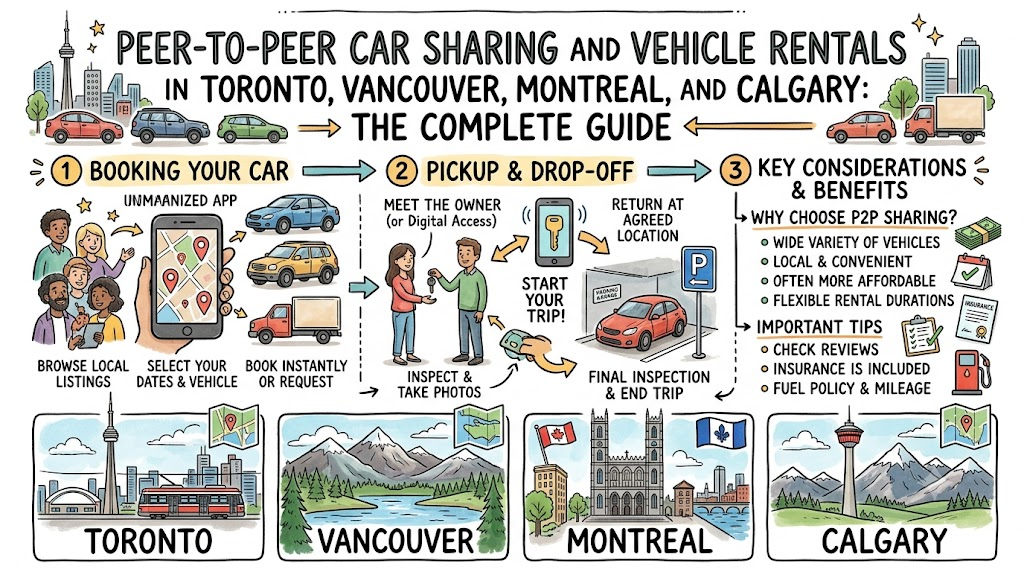
Introduction
Navigating Canada’s sprawling urban centers and breathtaking natural landscapes requires reliable, flexible, and affordable transportation. Traditional car rental agencies often come with high daily rates, hidden fees, long counter queues, and strict mileage limits. For tourists, international students, working professionals, and daily commuters looking for a smarter way to move, peer-to-peer car sharing and flexible vehicle rentals have transformed Canadian mobility.
Whether you are planning a weekend getaway in the Rocky Mountains from Calgary, navigating downtown traffic in Toronto, exploring the historic streets of Montreal, or embarking on a coastal scenic drive in Vancouver, having access to private vehicles shared by local owners changes the travel experience.
MotoShare Canada (motoshare.ca) bridges the gap between vehicle owners and travelers looking for self-drive convenience. Beyond traditional car rentals, many urban explorers also utilize two-wheeler and vehicle rental options to beat urban congestion. This comprehensive guide explores how peer-to-peer car sharing works across Canada’s top four metropolitan hubs—Toronto, Vancouver, Montreal, and Calgary—and why choosing a shared vehicle platform offers unmatched freedom for your next journey.
Why Renting a Shared Vehicle in Canada Is a Smart Choice
Canada is vast, and public transit systems, while efficient within core downtown districts, often fall short when you want to explore scenic routes, national parks, or suburban neighborhoods. Relying entirely on taxis or ridesharing apps for daily commutes or multi-day road trips can quickly drain your budget.
Choosing a peer-to-peer shared vehicle or flexible rental provides several distinct advantages:
- Cost-Effectiveness: Peer-to-peer sharing typically cuts daily rental costs significantly compared to legacy rental companies by eliminating high overhead corporate expenses.
- Ultimate Flexibility: Pick up a vehicle right in your neighborhood rather than traveling to a distant airport rental counter. Drive at your own pace without keeping track of rigid train or bus schedules.
- Access to Diverse Vehicles: From fuel-efficient compact cars for city driving to rugged SUVs for mountain adventures, shared platforms offer a wide array of vehicle makes and models.
- Supporting Local Communities: Peer-to-peer models allow local vehicle owners to monetize their idle cars, fostering a sustainable, community-driven sharing economy.
Who Should Rent a Shared Vehicle in Canada?
Vehicle sharing and flexible rentals cater to a broad spectrum of travelers and residents across Canadian cities:
- First-Time Visitors and Tourists: Ideal for travelers flying into Pearson Airport in Toronto or Vancouver International Airport who want immediate access to a private vehicle to see top sights without hassle.
- International Students: Perfect for students in Montreal, Toronto, or Vancouver who need temporary personal transportation for grocery runs, moving apartments, or weekend road trips without the massive financial burden of car ownership, insurance, and parking fees.
- Working Professionals: Useful for business travelers attending meetings across different suburbs or remote professionals needing a reliable ride for occasional client visits.
- Daily Commuters: Great for individuals whose regular public transit route is disrupted or who need a secondary vehicle for errands.
- Budget Travelers: Travelers looking to maximize their travel budget by avoiding expensive daily rental fees and surge-priced rideshares.
Benefits of Renting a Shared Vehicle for First-Time Travelers
Navigating a new country or province for the first time can feel overwhelming. Choosing a peer-to-peer rental or self-drive vehicle simplifies the experience in several key ways:
- Seamless Local Integration: Picking up a car from a local host allows you to get insider driving tips, recommended local spots, and advice on navigating regional traffic patterns.
- Transparent Booking Processes: Modern platforms offer digital check-ins, straightforward pricing without hidden counter surprises, and clear insurance breakdowns.
- Freedom to Explore Off-the-Beaten-Path Destinations: Public transit won’t take you to remote hiking trailheads in Banff near Calgary or hidden coastal viewpoints along British Columbia’s Sea-to-Sky Highway. A personal rental vehicle unlocks these destinations entirely on your schedule.
Types of Vehicles Available on Sharing Platforms
Depending on your travel style, group size, and destination terrain, peer-to-peer platforms and flexible rental networks provide access to multiple vehicle categories:
Compact Cars and Hatchbacks
- Best For: Solo travelers, couples, and urban commuters navigating tight downtown spaces in Toronto or Montreal. They offer exceptional fuel efficiency and easy parallel parking.
Sedans and Mid-Size Cars
- Best For: Small families and business travelers looking for comfortable legroom, trunk space, and smooth highway cruising.
SUVs and Crossovers
- Best For: Group road trips, winter driving across snowy Canadian passes, and outdoor enthusiasts heading into the mountains around Calgary and Vancouver with gear, skis, or camping equipment.
Minivans and Large Passenger Vehicles
- Best For: Extended families or groups traveling together who need maximum seating capacity and cargo room.
Electric Vehicles (EVs)
- Best For: Eco-conscious drivers wanting to experience modern electric mobility while taking advantage of widespread charging networks in major Canadian metropolitan areas.
How to Choose the Right Vehicle for Your Trip
Selecting the appropriate vehicle ensures safety, comfort, and cost efficiency throughout your journey:
- Assess Passenger and Luggage Capacity: Ensure there is enough seating for everyone and adequate trunk space for your bags, especially if you are traveling with winter gear or outdoor equipment.
- Consider Road and Weather Conditions: If you are driving through mountainous regions in Alberta or British Columbia during winter or shoulder seasons, choose an SUV or crossover equipped with all-wheel drive (AWD) and proper winter tires.
- Evaluate Fuel Efficiency vs. Power: For long-distance highway driving across provinces, a comfortable sedan or fuel-efficient hatchback keeps refueling costs manageable.
- Check Transmission Preference: While automatic transmissions are standard across Canada, verify vehicle specifications if you have specific driving preferences.
Documents Usually Needed to Rent a Vehicle in Canada
Before booking or picking up a shared vehicle in Toronto, Vancouver, Montreal, or Calgary, ensure you have the following documentation prepared:
- Valid Driving License: A full, unprobationary driver’s license issued in Canada, the United States, or an International Driving Permit (IDP) accompanied by your valid home country license for international visitors.
- Government-Issued ID: A valid passport or government photo identification for identity verification.
- Payment Method: A major credit card or approved digital payment method held in the primary driver’s name for security verification and deposits.
- Minimum Age Requirements: Most peer-to-peer platforms and rental services require drivers to be at least 21 or 25 years old, sometimes applying young driver surcharges for those under 25.
Things to Check Before Taking the Keys
Taking a few minutes to inspect your shared vehicle before setting off prevents misunderstandings and ensures a safe journey:
- Exterior and Interior Condition: Walk around the vehicle and document any pre-existing scratches, dents, or interior wear by taking clear photos through the app or platform interface.
- Fuel or Battery Level: Note the starting fuel or charge level to ensure you return the vehicle at the same level according to the owner’s policy.
- Safety Equipment: Verify that seatbelts, headlights, windshield wipers, turn signals, and the horn are fully operational. Ensure emergency kits, spare tires, and mandatory winter equipment (where applicable) are present.
- Insurance and Roadside Assistance: Confirm the coverage details included in your booking and keep emergency support numbers readily accessible.
Safety Tips for Driving a Rental Vehicle in Canada
Driving in Canadian cities and highways requires adherence to local laws and defensive driving habits, particularly when facing changing weather conditions:
- Obey Speed Limits: Speed limits are strictly enforced across Canada in kilometers per hour (km/h). School zones and construction areas carry heavy penalties for speeding.
- Understand Winter Driving Laws: Provinces like British Columbia have strict laws mandating winter tires (M+S or mountain/snowflake symbol) on specific highways between October and April.
- Keep Right and Pass Left: On multi-lane highways across Ontario, Alberta, and British Columbia, keep to the right lane unless passing slower traffic.
- Watch for Wildlife: In rural and mountain regions near Calgary and Vancouver, watch out for wildlife such as deer, moose, and bears crossing roads, especially during dawn and dusk.
- Always Wear Seatbelts: Driver and all passengers must wear seatbelts at all times by law. Using handheld mobile phones while driving is strictly illegal across all Canadian provinces.
Cost of Peer-to-Peer Car Sharing and Rentals in Canada
Rental prices vary depending on vehicle type, duration, season, and city demand. Below is a general average price range for rentals across major Canadian markets:
| Vehicle Category | Average Daily Rental Range (CAD) | Best Suited For |
| Compact Cars / Hatchbacks | $45 – $75 | City commuting, solo travelers, parking convenience |
| Sedans / Mid-Size Cars | $70 – $110 | Family trips, business travel, highway cruising |
| SUVs / Crossovers | $100 – $170 | Mountain road trips, winter driving, group luggage |
| Electric Vehicles (EVs) | $90 – $160 | Eco-friendly driving, modern tech experience |
Common Mistakes First-Time Travelers Should Avoid
- Leaving Booking Until the Last Minute: Waiting until arrival during peak tourist seasons (summer in the Rockies or autumn foliage tours in Ontario and Quebec) leads to limited vehicle availability and higher rates.
- Ignoring Mileage Restrictions: Some peer-to-peer listings or rental packages include daily distance limits. Exceeding these limits can result in unexpected per-kilometer fees.
- Failing to Document Pre-Existing Damage: Always take photos of the vehicle condition before departure to protect yourself against unfair damage claims upon return.
- Underestimating Travel Times and Distances: Canada is geographically massive. Do not underestimate driving times between major hubs like Calgary and Vancouver or Toronto and Montreal.
Peer-to-Peer Car Sharing vs. Traditional Car Rental vs. Public Transport
| Feature | Peer-to-Peer Car Sharing (MotoShare) | Traditional Car Rental | Public Transport |
| Cost | Highly affordable with direct owner pricing | Often expensive with hidden counter fees | Very economical |
| Convenience | Neighborhood pickup and flexible locations | Airport or central agency counters only | Fixed stations and routes |
| Flexibility | High customization and direct communication | Standardized contracts and strict hours | Fixed timetables |
| Comfort | Private, clean, and well-maintained private cars | Standard fleet vehicles | Crowded during peak hours |
| Travel Experience | Authentic local connection and independence | Standard corporate transaction | Basic commuter experience |
| Best Use Cases | Road trips, weekend getaways, neighborhood errands | Standard airport arrivals | Daily downtown commuting |
How MotoShare Canada Can Help Travelers
MotoShare Canada (motoshare.ca) is designed to make vehicle sharing and rental straightforward, transparent, and secure across major Canadian cities including Toronto, Vancouver, Montreal, and Calgary.
- Easy Online Booking: Browse, compare, and book vehicles seamlessly through an intuitive digital platform.
- Wide Range of Vehicles: Access everything from economical compact cars for city navigation to robust SUVs for mountain explorations.
- Transparent Pricing: Enjoy clear pricing with no hidden fees or unexpected counter surprises.
- Verified Vehicle Owners: Connect with trusted local hosts within a secure community ecosystem.
- Flexible Rental Options: Choose hourly, daily, or weekly rental packages tailored precisely to your itinerary.
- Availability Across Major Hubs: Find reliable vehicles whether you are landing in Ontario, British Columbia, Quebec, or Alberta.
Frequently Asked Questions
Can tourists and international visitors use peer-to-peer car sharing in Canada?
Yes. Visitors with a valid foreign driver’s license and an International Driving Permit (if required by provincial regulations) can utilize sharing platforms like MotoShare Canada.
Is an International Driving Permit required to rent a car in Canada?
If your home country driver’s license is issued in English or French, an IDP is generally not required. For licenses in other languages, carrying an International Driving Permit alongside your original license is strongly recommended.
How much does car sharing and vehicle rental cost in Canada?
Prices typically range from $45 CAD per day for compact economy vehicles up to $170 CAD per day for premium SUVs or specialized vehicles, depending on the season and location.
Are insurance and roadside assistance included in bookings?
Most reputable peer-to-peer platforms include basic insurance coverage and roadside support options within the rental package for peace of mind.
Can I book a vehicle without a security deposit?
Most sharing platforms require a temporary authorization hold or security deposit on a valid credit card to cover potential tolls, minor damages, or fuel differences.
What should I do if the vehicle breaks down during my trip?
Contact MotoShare Canada support and the designated roadside assistance provider immediately. Do not attempt unauthorized mechanical repairs.
Can I drive the rental vehicle across provincial borders or into the United States?
Cross-border travel policies vary by vehicle owner and insurance terms. Always check the specific listing details and confirm with the host before taking a vehicle across provincial borders or international boundaries.
How do I pick up and return the shared vehicle?
Pickup and return details are coordinated directly with the vehicle host through the platform. Many hosts offer convenient keyless entry or personal handovers at designated neighborhood locations.
What fuel policy applies to peer-to-peer rentals?
Vehicles are typically provided with a specific fuel or battery level and must be returned at the exact same level to avoid refueling service fees.
How can I list my own car on MotoShare Canada?
Vehicle owners can easily sign up on motoshare.ca, verify their vehicle details, set their availability and pricing, and start earning passive income when their car is not in use.
Conclusion
Exploring Canada’s vibrant cities, picturesque coastal drives, and majestic mountain ranges is an unforgettable experience best enjoyed on your own terms. Peer-to-peer car sharing and flexible vehicle rentals eliminate the traditional hassles of vehicle ownership and expensive corporate rentals, offering freedom, affordability, and authentic local connection.
Ready to embark on your next Canadian adventure? Experience seamless travel, transparent pricing, and incredible local vehicles. Book your next ride today through MotoShare Canada at motoshare.ca!