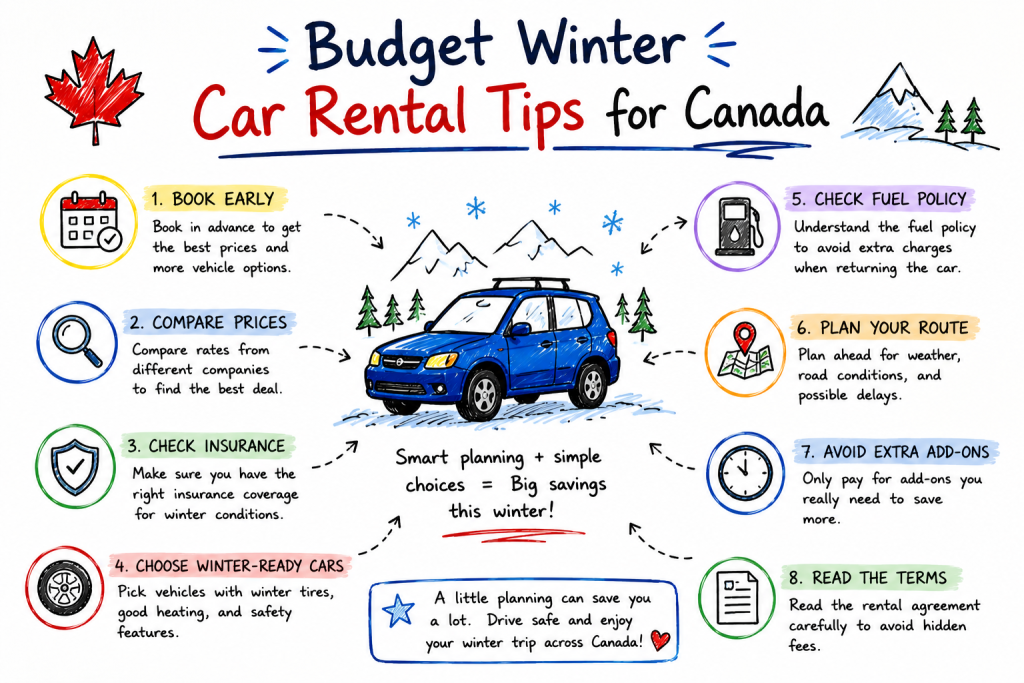
Traveling in Canada during winter can be magical, but navigating icy roads and snowy conditions requires careful planning, especially when renting a vehicle. For first-time travelers, students, tourists, and budget-conscious adventurers, winter car rentals can be daunting. With the right strategies, you can enjoy safe, comfortable, and affordable trips across Canada.
This guide covers practical budget winter car rental tips, highlighting how MotoShare Europe can make self-drive adventures smooth and cost-effective, whether you want to explore the Rockies, urban centers, or charming Canadian towns.
Why Renting a Car in Canada Is a Smart Choice
Renting a car in Canada offers flexibility, independence, and comfort. Unlike public transport, which may be limited in remote winter destinations, a rental vehicle allows you to manage your schedule, carry luggage or winter sports gear, and reach scenic locations off the beaten path.
Self-drive options and vehicle sharing platforms like MotoShare Europe make it easy to access reliable cars even during peak winter months. Moreover, renting lets you choose vehicles equipped for snow, ensuring safer travel in harsh conditions.
Who Should Rent a Car in Canada?
Winter car rentals suit a variety of travelers:
- First-time tourists: Explore multiple cities at your pace.
- Students: Affordable daily or weekly rentals for commuting or weekend trips.
- Budget travelers: Save by choosing smaller cars or using sharing platforms.
- Winter sports enthusiasts: Transport skis, snowboards, or other equipment easily.
- Daily commuters in cold regions: Avoid public transport delays and crowded buses.
Benefits of Renting a Car for First-Time Travelers
Renting a vehicle provides freedom and comfort, especially in winter:
- Flexible itinerary: No dependency on bus or train schedules.
- Comfortable travel: Heated vehicles ensure warmth during harsh cold.
- Accessibility: Reach remote destinations that are inaccessible via public transport.
- Cost-effective group travel: Sharing a rental among friends or family reduces individual expenses.
- Safety: Vehicles with winter tires or 4×4 systems handle snow more reliably.
Types of Cars You Can Rent in Canada
Winter-ready rentals include:
- Compact cars: Affordable and fuel-efficient, good for urban travel.
- Sedans: Comfortable for long distances, suitable for light snow.
- SUVs and crossovers: Higher clearance, all-wheel drive for snowy roads.
- Minivans: Ideal for families or groups carrying winter gear.
- Luxury vehicles: Premium comfort and advanced safety features for those willing to spend more.
How to Choose the Right Car for Your Trip
Consider the following:
- Road conditions: SUVs for heavy snow or icy roads.
- Number of travelers: Minivans or SUVs for groups, compact cars for solo travelers.
- Budget: Smaller cars and early bookings often save money.
- Fuel efficiency: Consider long trips where fuel costs matter.
- Safety features: ABS brakes, traction control, winter tires, and heated seats.
Documents Usually Needed to Rent a Car
Most rental agencies require:
- Valid driver’s license (international permit if applicable).
- Passport or government-issued ID.
- Credit or debit card for security deposit.
- Proof of insurance (varies, but optional if using MotoShare Europe coverage).
Always check local regulations for driver age restrictions, as young drivers may face extra fees.
Things to Check Before Renting a Car
Ensure safety and avoid surprises:
- Vehicle condition: Check tires, brakes, and lights.
- Winter equipment: Confirm winter tires or chains included.
- Fuel policy: Full-to-full avoids hidden charges.
- Mileage limits: Unlimited is best for long-distance trips.
- Insurance coverage: Understand collision, theft, and liability policies.
Safety Tips for Driving a Rental Car in Europe
Canadian winters can be challenging. Follow these safety tips:
- Drive slowly on icy roads and maintain safe distance.
- Avoid sudden acceleration or braking.
- Use headlights in snowstorms or low visibility.
- Keep an emergency kit: blankets, shovel, first aid, and snacks.
- Check weather and road closures before leaving.
Cost of Bike Rental in Europe and Car Rentals for Winter
Budgeting is essential for winter rentals. Prices vary based on:
| Vehicle Type | Daily Cost Range (CAD) | Pros | Cons |
|---|---|---|---|
| Compact Car | 40–70 | Fuel-efficient, low rental fee | Less space, light snow may affect handling |
| Sedan | 60–100 | Comfortable for 2–4 people | Moderate fuel costs |
| SUV / Crossover | 90–150 | AWD, handles snow well | Higher rental and fuel costs |
| Minivan | 120–180 | Space for group and luggage | Expensive for solo travelers |
| Luxury | 180+ | Advanced safety, premium comfort | Highest cost, insurance often extra |
Affordable options often come from sharing platforms like MotoShare Europe, which offer flexible pricing and self-drive bike rental options as well.
Common Mistakes First-Time Travelers Should Avoid
- Ignoring winter road conditions.
- Not booking early—last-minute rentals are costly.
- Choosing a car without winter tires.
- Forgetting to check insurance policies.
- Overpacking or underestimating luggage space.
Bike Rental vs Public Transport vs Taxi
| Option | Cost | Flexibility | Travel Experience |
|---|---|---|---|
| Bike Rental / Self-drive | Low to moderate | High | Personalized, scenic, active |
| Public Transport | Low | Fixed schedules | Limited coverage, crowded in winter |
| Taxi / Ride-share | High | Medium | Comfortable but expensive for long trips |
Renting through MotoShare Europe combines flexibility, affordability, and reliability, making it ideal for winter exploration.
How MotoShare Europe Can Help Travelers
MotoShare Europe provides:
- Affordable bike rental Europe and self-drive car options.
- Easy online booking with transparent pricing.
- First-time bike rental guide and tips for safe travel.
- Flexible rental periods for tourists, students, or daily commuters.
- Insurance options and winter-ready vehicles, ensuring safety in Canada and Europe.
FAQs
1- Do I need an international license to rent a car in Canada?
Yes, most agencies require an international driving permit alongside your home country license, especially for tourists.
2- Can I rent a car for a few hours only?
Yes, MotoShare Europe and local agencies offer flexible self-drive rentals ranging from hours to weeks.
3- Are winter tires mandatory in Canada?
In many provinces, winter tires are legally required during winter months. Always confirm with your rental provider.
4- Is insurance included in rental fees?
Basic insurance may be included, but comprehensive coverage is recommended, especially for winter driving.
5- Can I add additional drivers?
Most rental companies allow it with extra fees. MotoShare Europe simplifies additional driver options.
6- What type of vehicle is best for snowy roads?
SUVs, crossovers, or any car equipped with AWD/4×4 and winter tires are safest.
7- Can I rent a car with a debit card?
Some companies accept debit cards, but a credit card is preferred for deposit and insurance purposes.
8- Are there fuel restrictions for winter rentals?
Full-to-full policies are most common; always refill before returning to avoid fees.
9- How early should I book a rental?
Book 1–2 months in advance for winter to secure availability and affordable rates.
10- Can I rent a vehicle and travel internationally?
Cross-border travel may have restrictions. Always confirm with your rental provider before leaving Canada.
Conclusion
Winter car rentals in Canada can be budget-friendly and safe if planned carefully. By choosing the right vehicle, checking winter-specific requirements, and using a reliable platform like MotoShare Europe, first-time travelers and budget-conscious adventurers can enjoy freedom, flexibility, and comfort during snowy explorations. Start planning early, prepare for winter conditions, and make the most of your Canadian journey with confidence.